AstronautAtlas
Search the complete archive…
Loading AstronautAtlas records
Program archive
Voyager, Cassini-Huygens, and New Horizons turned distant points of light into complex worlds with rings, atmospheres, active geology, oceans, and Kuiper Belt neighbors.
Explore this program
Choose a path through the Outer Solar System archive.

Voyager, Cassini-Huygens, and New Horizons turned distant points of light into complex worlds with rings, atmospheres, active geology, oceans, and Kuiper Belt neighbors.
Core capabilities
Program story
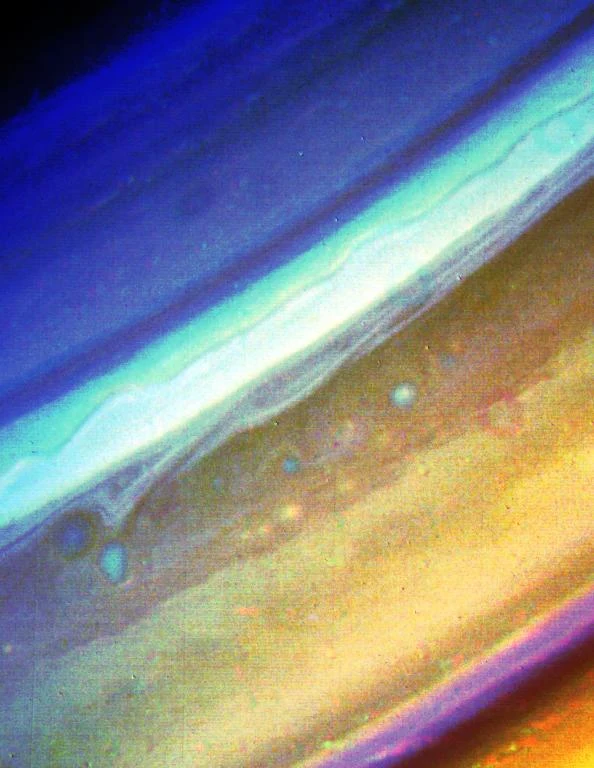
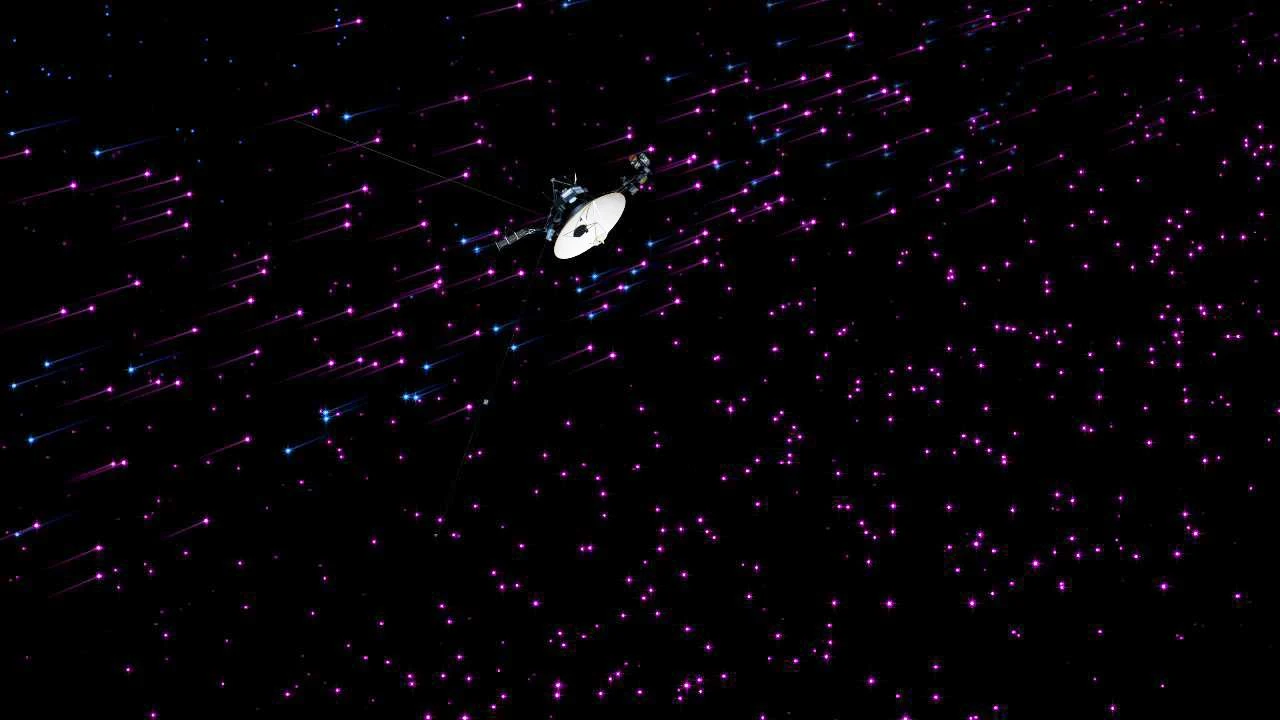
Voyager 1 and 2 launched in 1977 and used a rare planetary alignment to transform knowledge of the giant planets. Voyager 2 remains the only spacecraft to visit Uranus and Neptune, while both spacecraft later crossed the heliopause.
Cassini-Huygens entered Saturn orbit in 2004. Cassini revealed active plumes at Enceladus and mapped an extraordinarily complex Saturn system, while Huygens made the first landing in the outer solar system on Titan.
New Horizons completed the first Pluto flyby in 2015 and later explored Arrokoth, extending close-range reconnaissance into the Kuiper Belt.