AstronautAtlas
Search the complete archive…
Loading AstronautAtlas records
Program archive
Project Gemini was NASA’s bridge between Mercury and Apollo, using twelve missions to master long-duration flight, , docking, spacewalking, and precision return before the first lunar missions.
Explore this program
Choose a path through the Project Gemini archive.
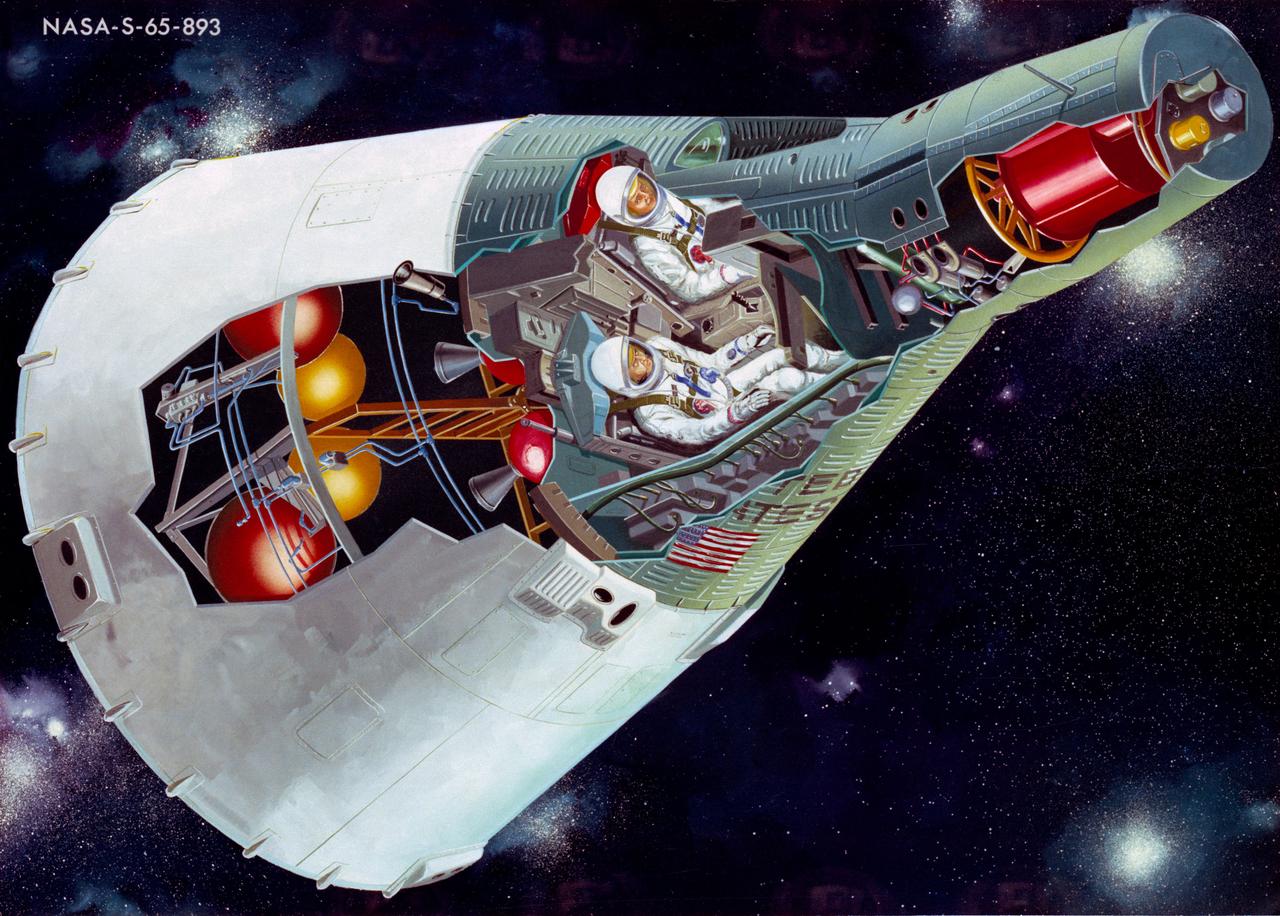
Project Gemini turned America’s early one-person orbital flights into a working spaceflight system. Across twelve missions, NASA developed the endurance, rendezvous, docking, EVA, navigation, and controlled-return practices that Apollo would rely on.
Core capabilities
Program story
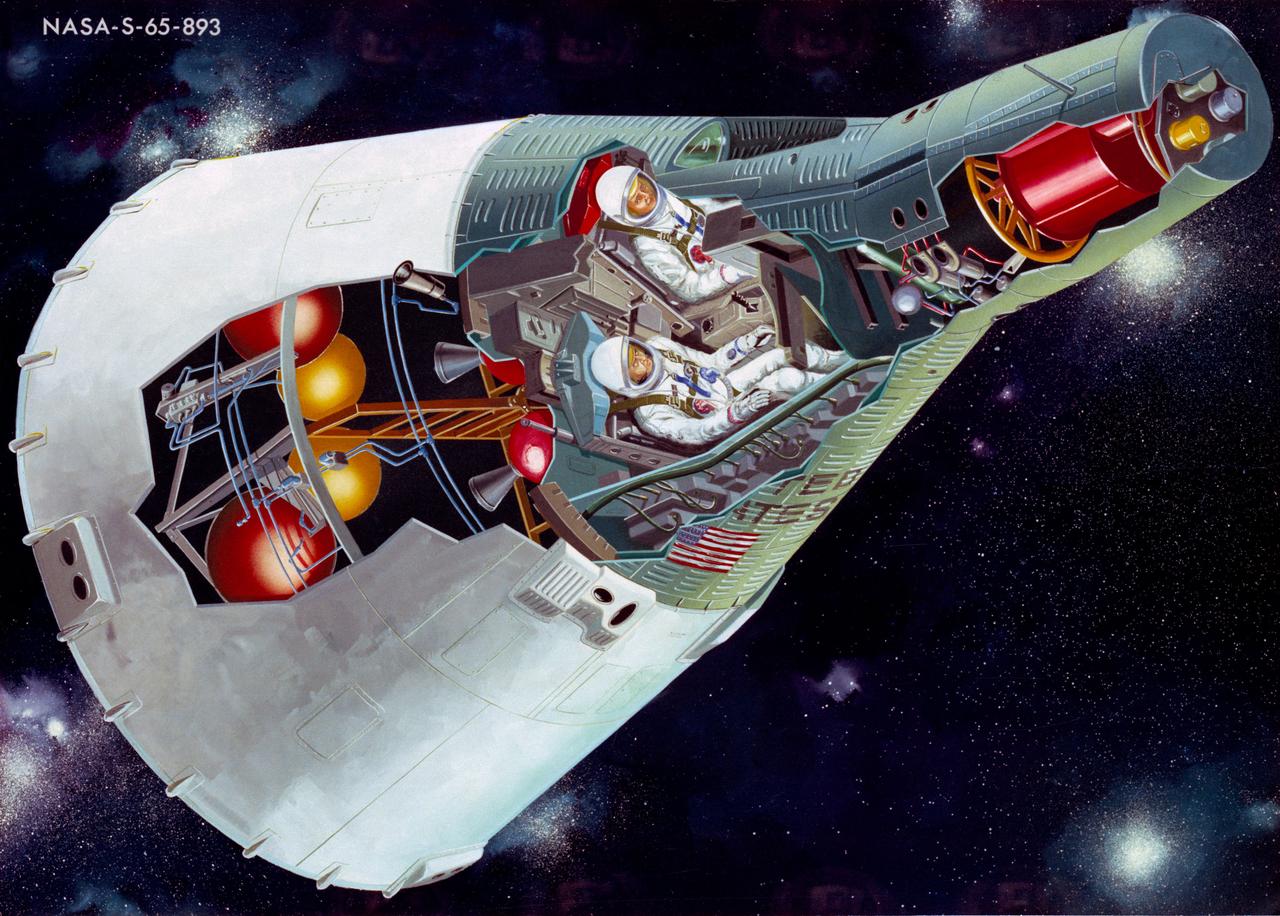
Project Gemini was NASA’s proving ground between Mercury and Apollo. Mercury had shown that Americans could travel into space and orbit Earth; Gemini had to answer the more practical question of whether crews and controllers could operate there deliberately, repeatedly, and for long enough to attempt a lunar mission. NASA shaped Gemini around a compact two-seat spacecraft, the human-rated Titan II Gemini launch vehicle, and a flight plan built around a sequence of increasingly difficult objectives.
The program opened with two uncrewed qualification flights in 1964. Gemini I tested the compatibility and structural integrity of the spacecraft and launch vehicle in orbit. Gemini II followed with a suborbital flight and a demanding reentry test, giving NASA confidence in the spacecraft’s heat shield, systems, and recovery design before astronauts climbed aboard. Starting with Gemini III in 1965, the missions progressed from controlled maneuvering to four-day flight, the first American spacewalk, eight-day endurance, and then the two-week Gemini VII mission—an essential demonstration that crews could remain effective for the approximate duration of a trip to the Moon and back.
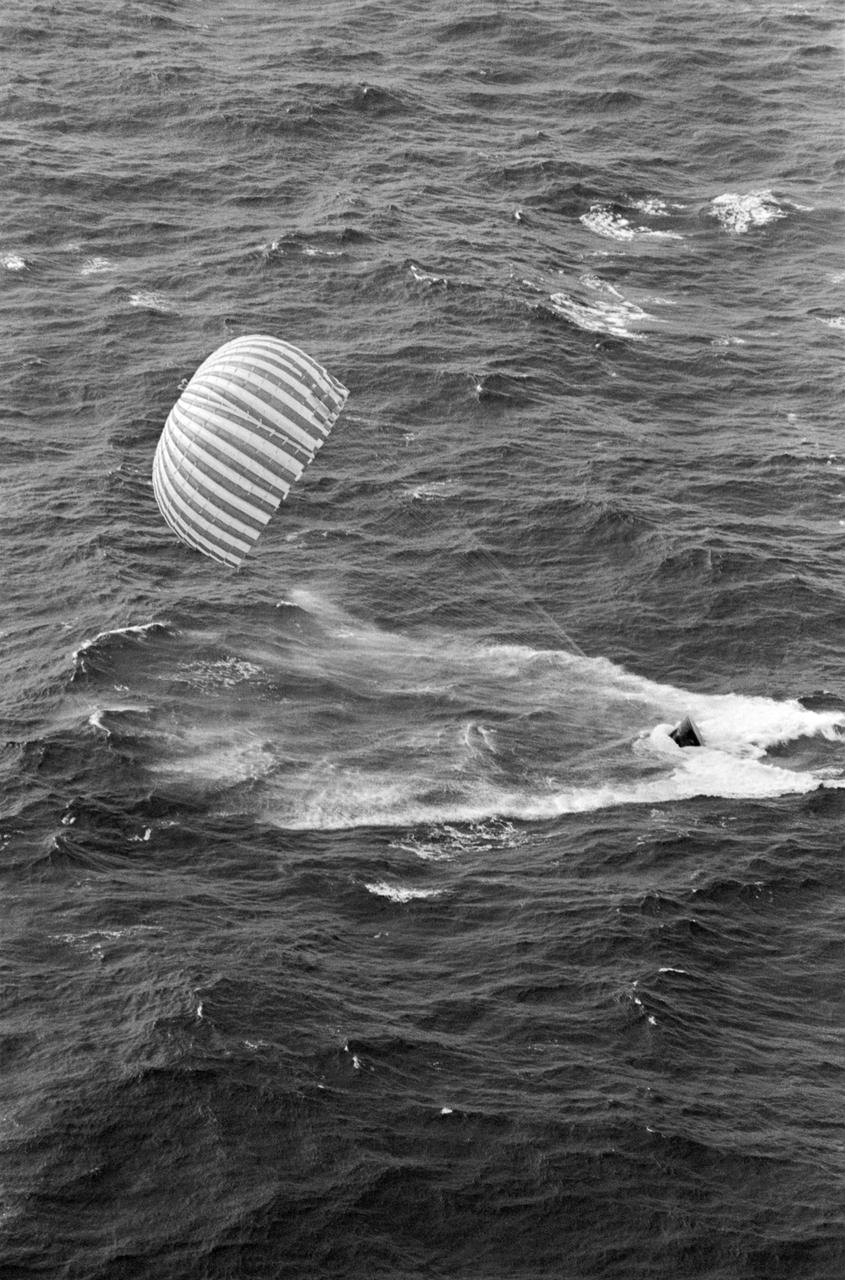
Gemini also made orbital operations a discipline rather than a theory. Gemini VI-A and Gemini VII performed the first crewed rendezvous between two spacecraft. Gemini VIII achieved the first docking in space with an Agena target vehicle, then safely ended an emergency after a stuck thruster sent the joined spacecraft spinning. Later flights refined docking, rendezvous with more than one target, spacecraft control, EVA methods, and precision reentry. By Gemini XII in November 1966, NASA had accumulated the experience in navigation, mission planning, spacecraft operations, and crew work that Apollo would carry toward the Moon.
Read NASA’s Project Gemini history →