AstronautAtlas
Search the complete archive…
Loading AstronautAtlas records
Program archive
Project Vanguard developed a civilian scientific satellite system for the International Geophysical Year and helped shape the technical and institutional beginnings of the U.S. space program.
Explore this program
Choose a path through the Project Vanguard archive.
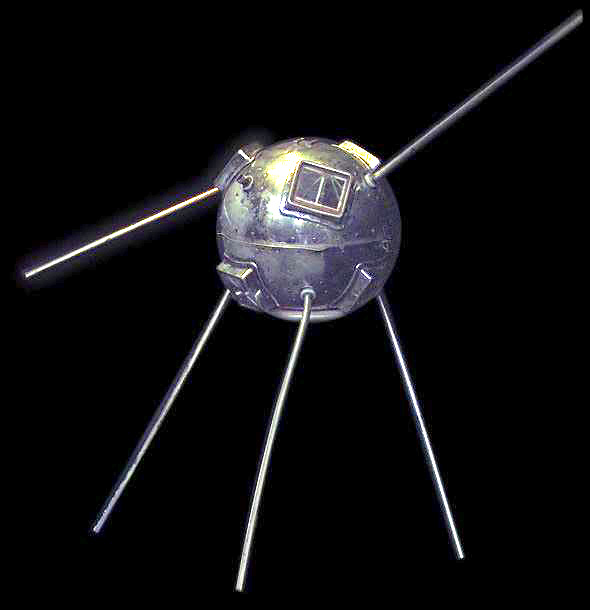
Project Vanguard developed a civilian scientific satellite system for the International Geophysical Year and helped shape the technical and institutional beginnings of the U.S. space program.
Core capabilities
Program story
The United States authorized Project Vanguard in 1955 as its scientific satellite contribution to the International Geophysical Year. Led by the Naval Research Laboratory, the program developed a new three-stage launch vehicle, small research satellites, and the tracking systems required to follow them in orbit.
Vanguard TV-3 was the first complete Vanguard vehicle with three live stages. On December 6, 1957, it rose only a short distance before losing thrust and falling back onto the pad. The highly visible failure became an emblem of the pressure surrounding the opening months of the Space Age.
The program continued and placed Vanguard 1 into orbit in March 1958. Later Vanguard satellites returned scientific data, while the program’s staff, technology, tracking work, and facilities became part of NASA’s early foundation.