AstronautAtlas
Search the complete archive…
Loading AstronautAtlas records
Program archive
Skylab transformed Apollo-era hardware into America’s first and showed how crews could repair, inhabit, and use an orbital laboratory for long-duration science.
Explore this program
Choose a path through the Skylab archive.
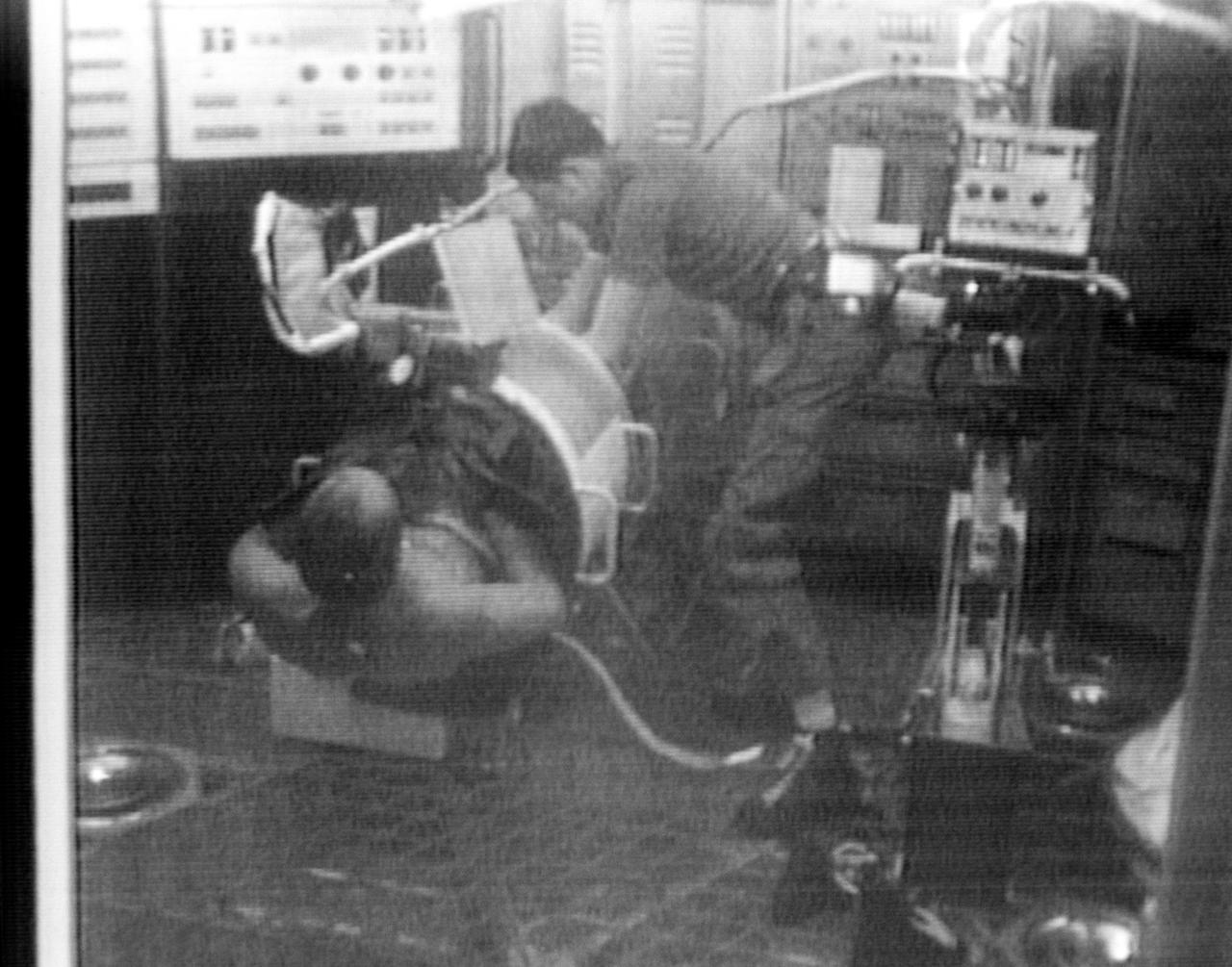
Skylab transformed Apollo-era hardware into America’s first and showed how crews could repair, inhabit, and use an orbital laboratory for long-duration science.
Core capabilities
Program story
Skylab grew from efforts to reuse Apollo hardware as a crewed orbital workshop. NASA launched the station on the final Saturn V in May 1973, but damage during ascent tore away a micrometeoroid shield and one solar array while trapping another.
The first crew arrived prepared for an improvised rescue. They deployed a replacement sunshade and freed the remaining solar array, turning a nearly lost station into a functioning laboratory. Two later crews expanded the record for time in space and continued a broad program of solar, Earth, medical, and materials research.
Three crews occupied Skylab for a combined 171 days. Their repairs, long-duration operations, and scientific work established lessons that carried forward into Shuttle laboratories, Mir cooperation, and the International Space Station.
Names, numbers, and patches
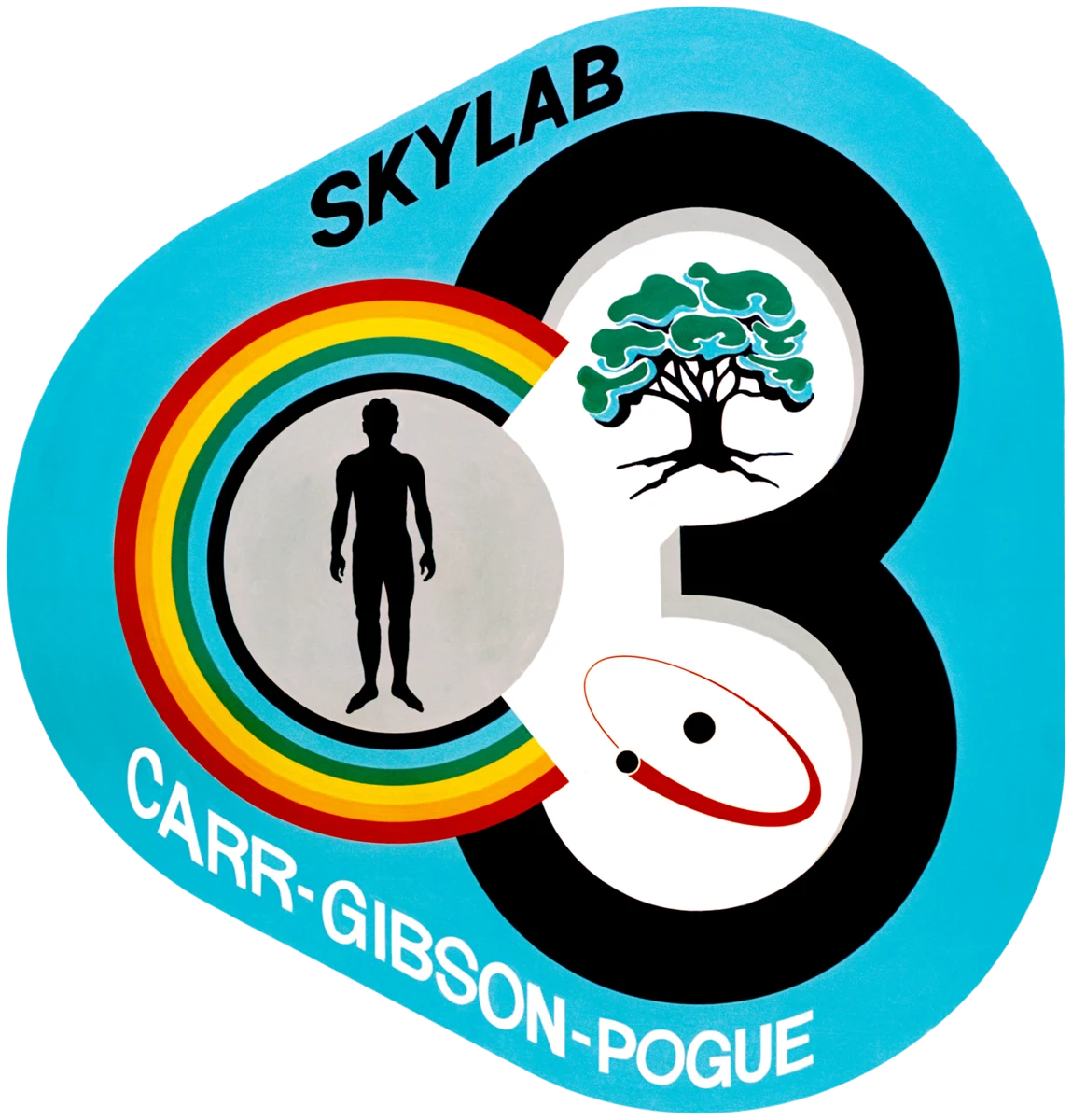
NASA’s official launch sequence counted the uncrewed space-station launch as Skylab 1, followed by the three crewed flights as Skylab 2, Skylab 3, and Skylab 4. The crews and some contemporary mission documents instead numbered only the crewed expeditions, using Roman numerals I, II, and III on the crew patches.
NASA says managers discovered the numbering miscommunication only after the crews’ clothing—with the differently numbered patches—had already been manufactured and stowed aboard the station. This archive uses NASA’s official Skylab 1–4 titles for its primary records while preserving Skylab I–III as historical aliases and patch designations.
NASA history of the Skylab mission patches and numbering →